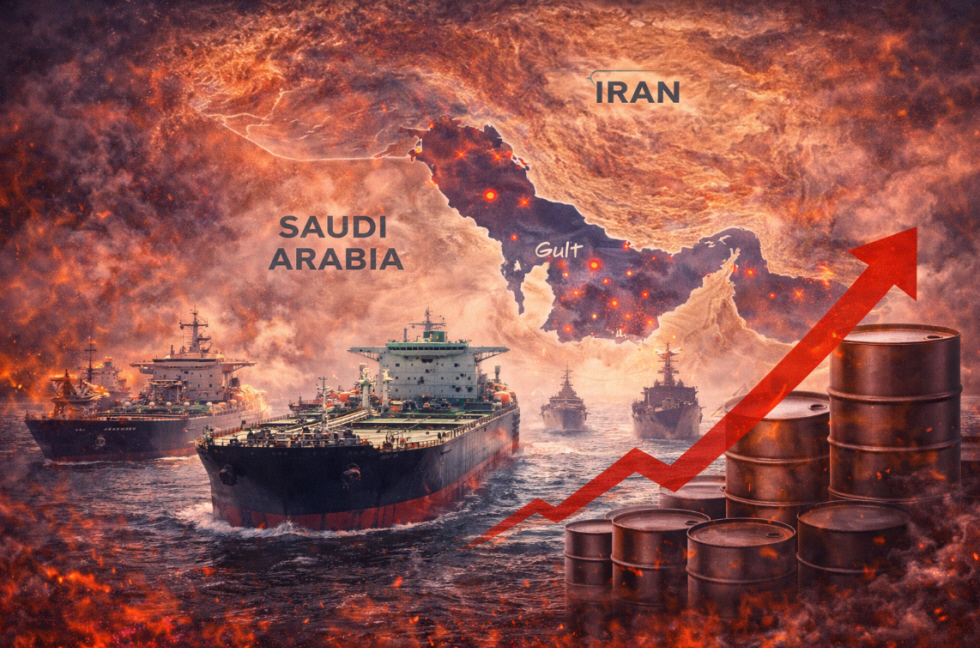
Amid rising tensions in the Middle East, the United States has launched a financial program aimed at protecting maritime transport across the Gulf region. The initiative seeks to ensure that global energy trade continues operating despite the ongoing conflict. The program could provide up to 20 billion dollars in reinsurance support for commercial vessels transporting oil, natural gas and other strategic resources through high-risk maritime routes.
The measure is designed to strengthen confidence among shipping companies and international energy markets. During wartime conditions, the cost of insuring ships and cargo often rises sharply due to increased security risks. The initiative will be managed by the U.S. International Development Finance Corporation, commonly known as the DFC. According to initial details, the program will focus on insurance coverage for cargo, hull and machinery of vessels that meet specific operational and security requirements.
The primary goal is to prevent disruptions along one of the most critical energy corridors in the world. A large share of global oil and natural gas shipments passes through Gulf waters. The war has already increased concerns among shipping companies about potential attacks or incidents involving commercial vessels.
By providing significant financial backing, Washington aims to reduce uncertainty in global energy trade and maintain stable supply routes. Analysts believe the initiative could also help stabilize international energy markets, which have shown sharp volatility since the conflict began. In a scenario where maritime security has become increasingly important, the reinsurance program may play a crucial role in maintaining the flow of energy supplies to global markets.