The case of a five-year-old child detained alongside his father by U.S. immigration agents has sparked public concern and renewed debate over how enforcement procedures are applied when minors are involved. The incident occurred near Minneapolis and has now drawn judicial intervention, temporarily halting any deportation efforts. The child and his father were stopped by agents while returning home in the city of Columbia Heights.
Following the detention, both were transferred to a detention facility in Texas, where deportation proceedings were initially expected to move forward. The situation shifted when a federal judge ordered a suspension of any transfer or removal until further notice. The ruling was based on the fact that the family’s asylum process has not yet been completed, preventing deportation while legal review continues. Attorneys representing the father and the child stated that both entered the United States through an official border crossing and remain under an active immigration procedure. According to the defense, no final determination has been made regarding their legal status.
Federal authorities defended the operation, stating that it was primarily intended to detain the father. Officials also claimed that the adult attempted to flee during the encounter and that the child’s detention was carried out under the premise of ensuring his safety. School district officials and witnesses, however, described a different sequence of events. According to their accounts, the family attempted to prevent the child from being removed, raising concerns about how the situation was handled by agents. One of the most troubling allegations surrounding the case is the claim that the child may have been used to draw other family members into the open during the operation.
This accusation has drawn heightened scrutiny from civil rights advocates and child welfare groups. The case does not appear to be isolated. School authorities reported that several students in the district were detained by immigration officials over the past month, including teenagers taken without parental presence and instances involving the use of force.
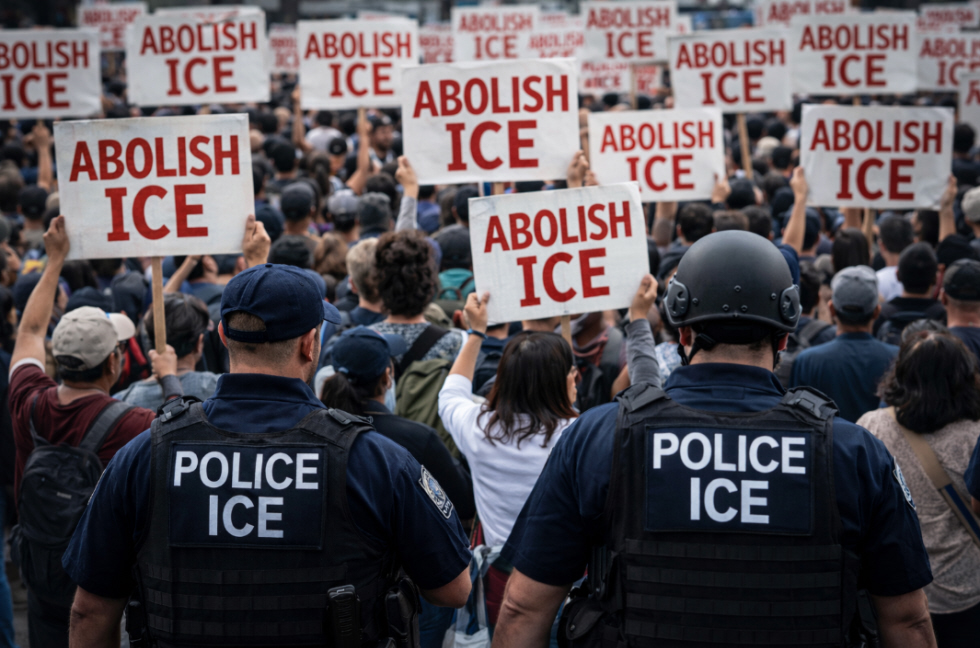
These incidents have intensified the national conversation about immigration enforcement and its impact on children and school communities. Critics argue that current practices may fail to adequately account for the best interests of minors. As legal proceedings continue, the case remains under judicial review. Regardless of its final outcome, it has once again placed a spotlight on how immigration laws are enforced when vulnerable children are directly affected.