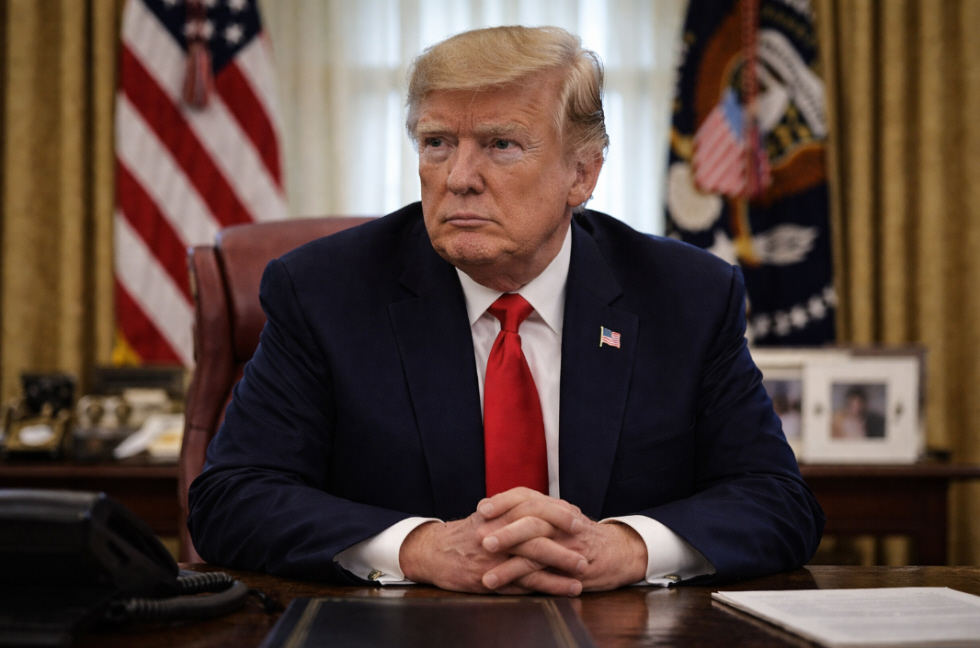
U.S. President Donald Trump issued a message in recent hours that was widely interpreted in Tehran as indirect support for the protests that have shaken Iran for more than two weeks. Through public remarks and online posts, Trump suggested that Washington is closely monitoring developments and hinted that “help is on the way,” without specifying its nature or timing.
Officials in Washington indicated that the U.S. government is reviewing multiple options, stressing that any decision will depend on how events unfold on the ground, particularly the fate of detained protesters. Trump had earlier warned that executions of arrested demonstrators could trigger “decisive measures,” language that further heightened tensions between the two countries. Iran’s leadership reacted sharply. Authorities accused Washington of seeking to manufacture a crisis that could serve as a pretext for foreign intervention.
In a statement circulated by Iran’s mission to the United Nations, Tehran argued that U.S. policy toward Iran is rooted in a strategy of systematic pressure, combining sanctions, threats, and internal destabilization aimed at forcing political change. At the same time, Iran issued warnings of potential retaliatory actions against U.S. bases in the region. Amid the escalating rhetoric, the United States urged its citizens to leave Iran immediately and reinforced security precautions at key military installations across the Middle East, reflecting growing regional uncertainty.
The protests inside Iran, initially sparked by severe economic hardship, have evolved into a nationwide movement openly challenging the country’s political and religious leadership. Despite extensive internet restrictions, images and accounts have continued to emerge, offering glimpses of a harsh crackdown by security forces. According to figures cited by Iranian authorities, the death toll may be around two thousand, while thousands more have reportedly been detained.
These numbers cannot be independently verified, yet the scale of the repression has raised alarm well beyond Iran’s borders. Judicial officials in Tehran have warned that those accused of participating in the unrest could face the harshest penalties, including capital punishment. Senior figures within the judiciary have defended accelerated proceedings and the use of public trials, arguing that the state must respond swiftly to what it describes as violent acts.
Against this backdrop, Trump’s message—framed around the assertion that the United States is “winning” and that those responsible for violence will ultimately be held accountable—has added another layer of pressure to an already volatile situation. The outcome of the crisis remains uncertain, with the risk that Iran’s internal unrest could further intensify broader international tensions.