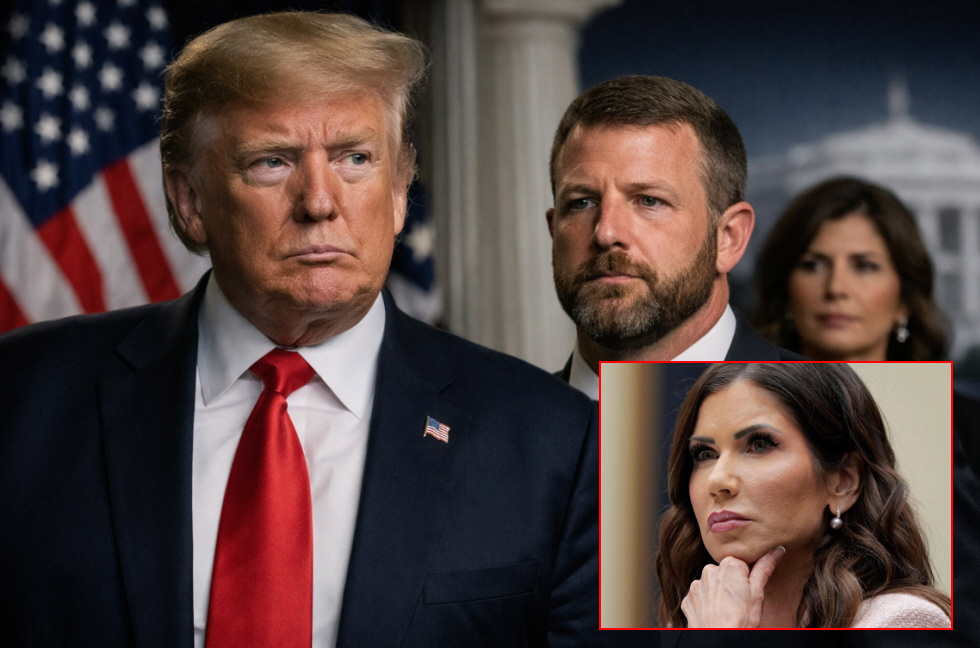
The U.S. political landscape experienced another major shift after President Donald Trump announced the dismissal of Homeland Security Secretary Kristi Noem. The decision, revealed on his Truth Social platform, marks the first cabinet-level resignation of his current administration. The Department of Homeland Security is one of the most powerful agencies within the federal government.
It oversees critical areas including immigration enforcement, border protection, airport security and national emergency coordination. According to the presidential announcement, Republican Senator Markwayne Mullin of Oklahoma will take over leadership of the department starting March 31. His appointment places him at the center of the administration’s national security strategy. Kristi Noem’s departure represents the first major cabinet change of the current government team.
Her tenure had been surrounded by controversy at times, particularly regarding immigration policies and administrative decisions that sparked debate among political observers. Despite the dismissal, Trump publicly thanked Noem for her work during her time in office. The president highlighted the challenges faced by the administration in dealing with border security pressures and growing migration flows.
Rather than leaving the political stage entirely, Noem will assume a new role within the government. Trump announced that she will become the special envoy for the initiative known as the “Shield of America.” This program aims to strengthen security cooperation across the Western Hemisphere. It focuses on combating transnational threats such as drug trafficking, human smuggling and organized criminal networks operating across the region.
The reference to the Western Hemisphere signals a strategy that involves the entire American continent. The goal is to develop a more coordinated regional security framework capable of sharing intelligence and responding more effectively to emerging threats. Meanwhile, Markwayne Mullin’s arrival at the Department of Homeland Security could reshape the administration’s immigration agenda.
The Oklahoma senator is known for supporting stricter border control measures and firm immigration policies. Political analysts believe the leadership change may reflect a broader effort to recalibrate the government’s strategy on one of the most sensitive issues for American voters.
Border security continues to dominate the national political debate and remains a central pillar of the administration’s policy priorities. With this cabinet adjustment, the White House appears to be signaling a strategic reorganization while addressing the growing challenges surrounding security, migration and regional cooperation across the Americas.