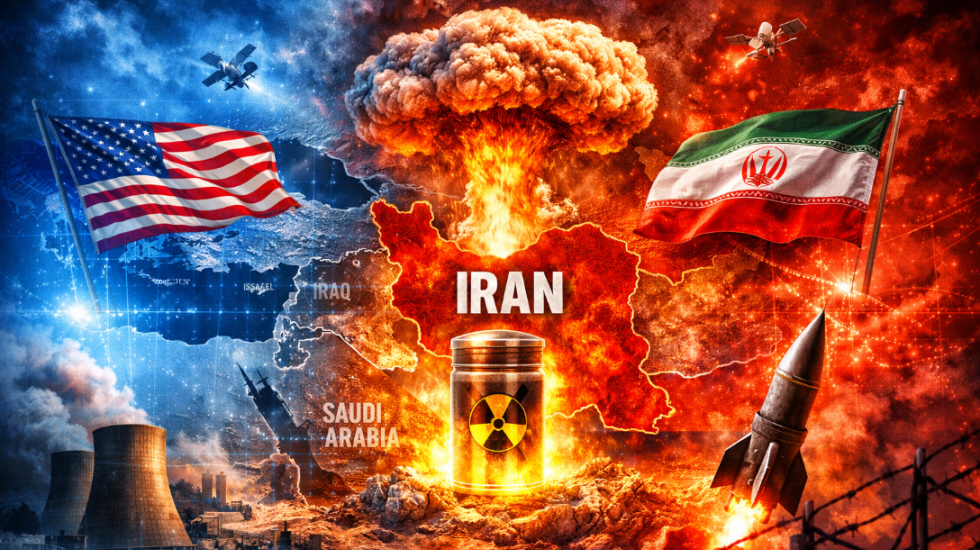
The United States has once again positioned itself at the center of the geopolitical stage following new statements from President Donald Trump, who claimed that Iran has agreed to hand over its enriched uranium stockpile as part of a potential deal to end the conflict. The remarks were made outside the White House amid rising global tensions. According to Trump, negotiations may be entering a decisive phase. However, the lack of official confirmation immediately calls for caution. The president stated that Iran had agreed to return what he described as “nuclear dust,” referring to approximately 450 kilograms of uranium enriched to 60%.
This level is dangerously close to weapons-grade capability. The statement quickly drew attention across international media and diplomatic circles. Still, Tehran has not publicly confirmed these claims. The fate of the nuclear material has been the central sticking point in negotiations between the two sides. Since the beginning of the conflict, controlling and limiting Iran’s nuclear program has been a key condition for any agreement. The enriched uranium represents not only a technical issue but also a symbol of strategic power. Its potential transfer would signal a major shift in the dynamics of the conflict.
Talks reportedly suffered a setback after collapsing in Islamabad last week. According to various sources, discussions stalled over deep differences regarding the duration of nuclear restrictions. Iran is said to have proposed a five-year halt to enrichment, while the United States is pushing for a freeze of at least twenty years. This gap reflects the deep structural mistrust between the two countries. Before the conflict, Iranian scientists had enriched uranium to levels near weapons-grade capability. This advancement triggered alarm in Western nations and increased international pressure on Tehran. Iran’s demonstrated technical capability remains one of the most sensitive factors in any negotiation.
In that context, controlling existing material is considered a global strategic priority. International analysts warn that, if confirmed, such a deal could reshape the balance of power in the Middle East. The potential transfer or neutralization of enriched uranium would significantly reduce nuclear proliferation risks in the region. However, the absence of confirmation from Iran keeps the situation uncertain. The international community continues to monitor every signal from both sides. At the same time, some reports suggest that Iranian officials have responded indirectly, indicating that their uranium stockpile will not be handed over.
These conflicting signals reinforce the perception that negotiations remain open and far from a definitive conclusion. The contrast between public statements highlights an ongoing communication battle. Each message appears to be part of a calculated diplomatic strategy. In this context, Trump’s remarks should be interpreted within a broader political framework. His statements may be aimed at influencing both domestic public opinion and the international negotiation dynamic. The use of terms like “nuclear dust” also reflects an attempt to simplify a highly technical issue. While effective in media terms, such language requires careful analysis.
The absence of a joint official statement or verifiable details prevents confirmation of any real agreement. So far, all indications suggest an ongoing process with multiple unresolved variables. Diplomatic channels remain active, but tangible progress appears limited. The situation calls for caution in both interpretation and reporting. For now, the world watches closely as events unfold.
The possibility of an agreement remains fragile and will depend on verifiable commitments from both sides. Meanwhile, the exchange of statements reflects more a battle of narratives than a finalized deal. The outcome of these negotiations could have far-reaching implications for global stability.