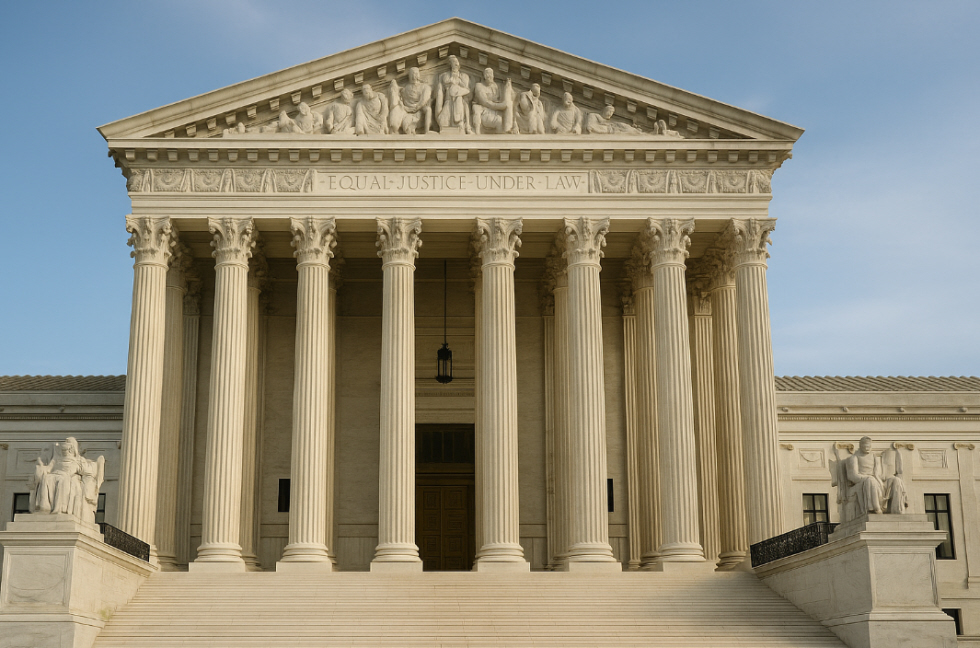
U.S. Supreme Court Chief Justice John Roberts issued a temporary order keeping nearly five billion dollars in foreign aid frozen, in line with the Trump administration’s decision.
This measure has sparked controversy as it affects humanitarian and international cooperation programs that rely on these funds, while also reflecting the political struggle over control of public resources.
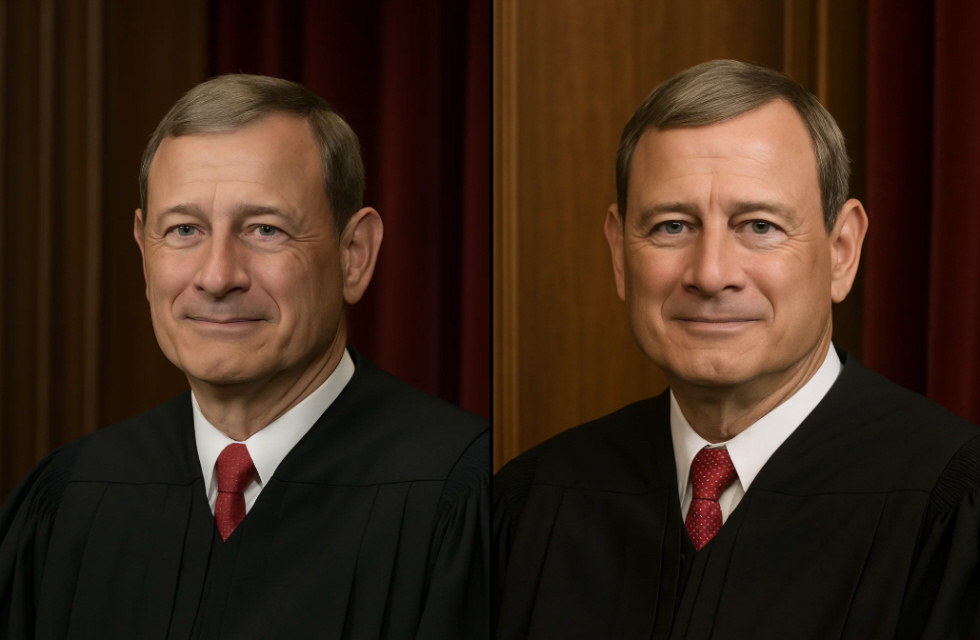
Roberts’ decision, taken unilaterally, suggests that the Court could overturn previous rulings that considered the aid freeze illegal, thereby reinforcing the White House’s stance of conditioning foreign funding on domestic policy objectives.
International organizations expressed concern about the immediate impact on recipient countries, while political analysts highlighted how this move strengthens presidential power in matters of foreign relations. The debate now centers on whether this decision is a legitimate diplomatic pressure tool or an action that undermines the credibility of the United States as a reliable partner on the global stage.