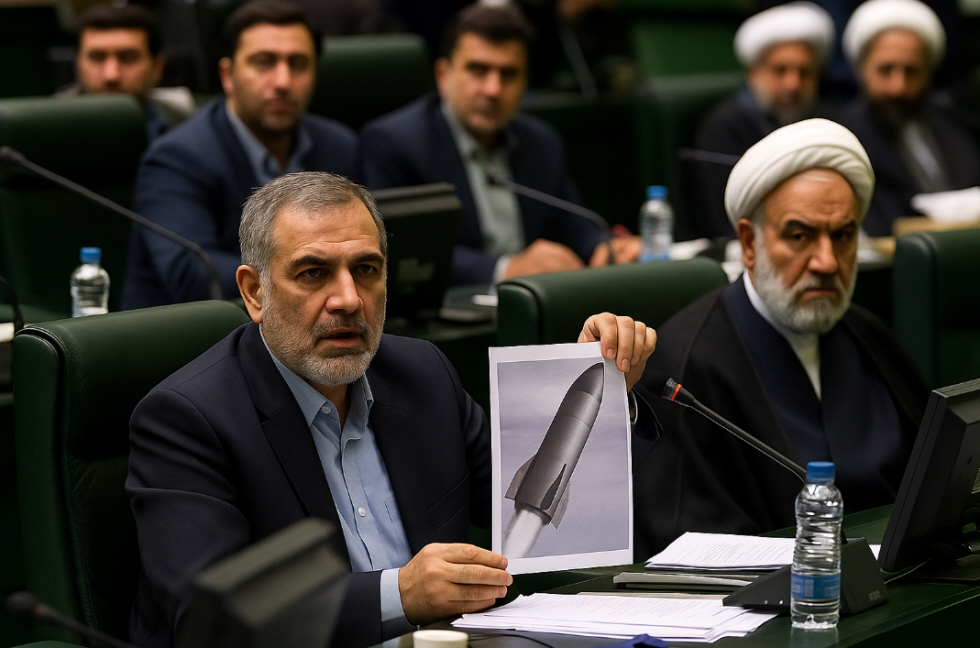
In Iran, a group of 71 parliamentarians out of the 290 members of the legislative assembly signed a letter openly demanding the construction of a nuclear bomb, arguing that the security situation in the region has drastically changed and that the purpose would be solely deterrence against Israel. In the document, the lawmakers denounced that Israel has “reached the brink of madness” by launching attacks without regard for international obligations, and insisted that Tehran must respond proportionally to safeguard its national security.
The letter recalls that last June, Israel, in coordination with the United States, launched a twelve-day military offensive against Iran, bombing nuclear facilities and raising diplomatic tensions to a critical point. For years, the West has accused Iran of secretly pursuing nuclear weapons, a claim the Iranian leadership categorically denies, citing a religious decree issued by Supreme Leader Ayatollah Ali Khamenei prohibiting both the construction and use of weapons of mass destruction. However, the signatories argue that a bomb built exclusively for deterrence purposes would not violate this principle.
Tensions between Iran, the United States, and Israel have escalated further since the brief June war. Prior to the attacks, Washington and Tehran had engaged in two months of negotiations over Iran’s nuclear program, but talks stalled and have not resumed effectively. Iranian President Massoud Pezeshkian firmly rejected rumors of a potential meeting with U.S. President Donald Trump, while at the same time calling for understanding and dialogue.
“You cannot negotiate with someone who seeks to intimidate, tyrannize, destroy, and cause harm,” he declared. Meanwhile, two weeks ago, Foreign Minister Abbas Araqchi reached an agreement with the International Atomic Energy Agency (IAEA) to resume inspections of Iran’s nuclear facilities in an effort to demonstrate transparency and ease international pressure.
However, the letter signed by parliamentarians reflects a growing internal movement pushing Tehran toward an armament path as a mechanism of survival and deterrence—one that could mark a new and dangerous chapter in the already fragile stability of the Middle East.