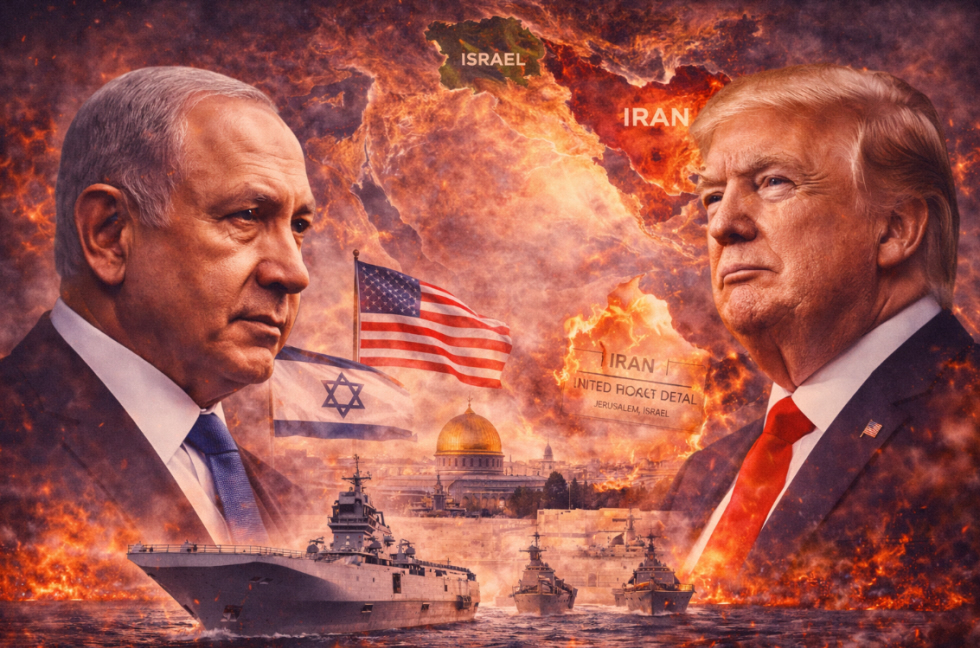
For Israeli Prime Minister Benjamin Netanyahu and much of the Israeli political right, the presidency of Donald Trump represented one of the most favorable periods in U.S.-Israel relations. During his years in the White House, Trump implemented several policies that significantly reshaped American diplomacy in the Middle East.
One of the most symbolic decisions was the relocation of the U.S. Embassy to Jerusalem, breaking with decades of previous diplomatic policy. The move was celebrated by the Israeli government as a historic recognition of Jerusalem as the country's capital, though it also sparked criticism from many governments and international organizations. Another major step came with
Washington’s recognition of Israeli sovereignty over the Golan Heights. For Israel’s leadership, the decision represented a significant diplomatic achievement in one of the most sensitive geopolitical areas of the region. Trump also withdrew the United States from the international nuclear agreement with Iran, a move that Netanyahu had long advocated. The withdrawal from the nuclear deal was widely seen in Israel as a strategic victory against Tehran’s regional influence.
The administration also significantly reduced funding linked to international programs supporting Palestinian refugees. Together, these policies marked a period in which relations between Washington and Jerusalem reached one of their closest levels of political alignment in decades.