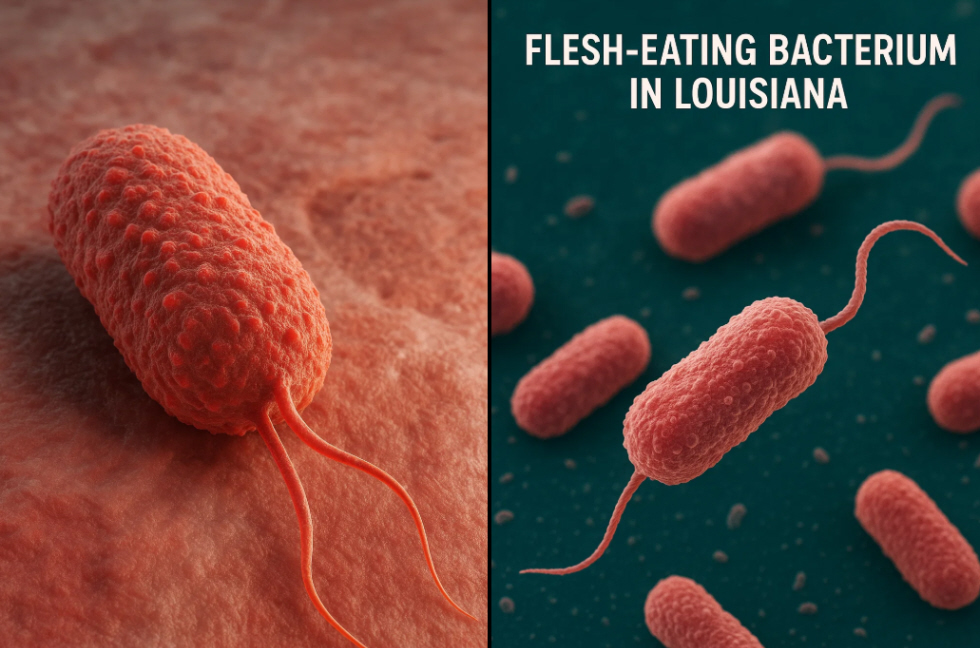
U.S. health authorities in Louisiana have confirmed that at least five people have died this year as a result of infections caused by the bacterium Vibrio vulnificus, commonly known as the “flesh-eating bacteria.” In total, 26 cases of infection have been reported in the region, most linked to open wounds exposed to warm seawater or the consumption of contaminated seafood.
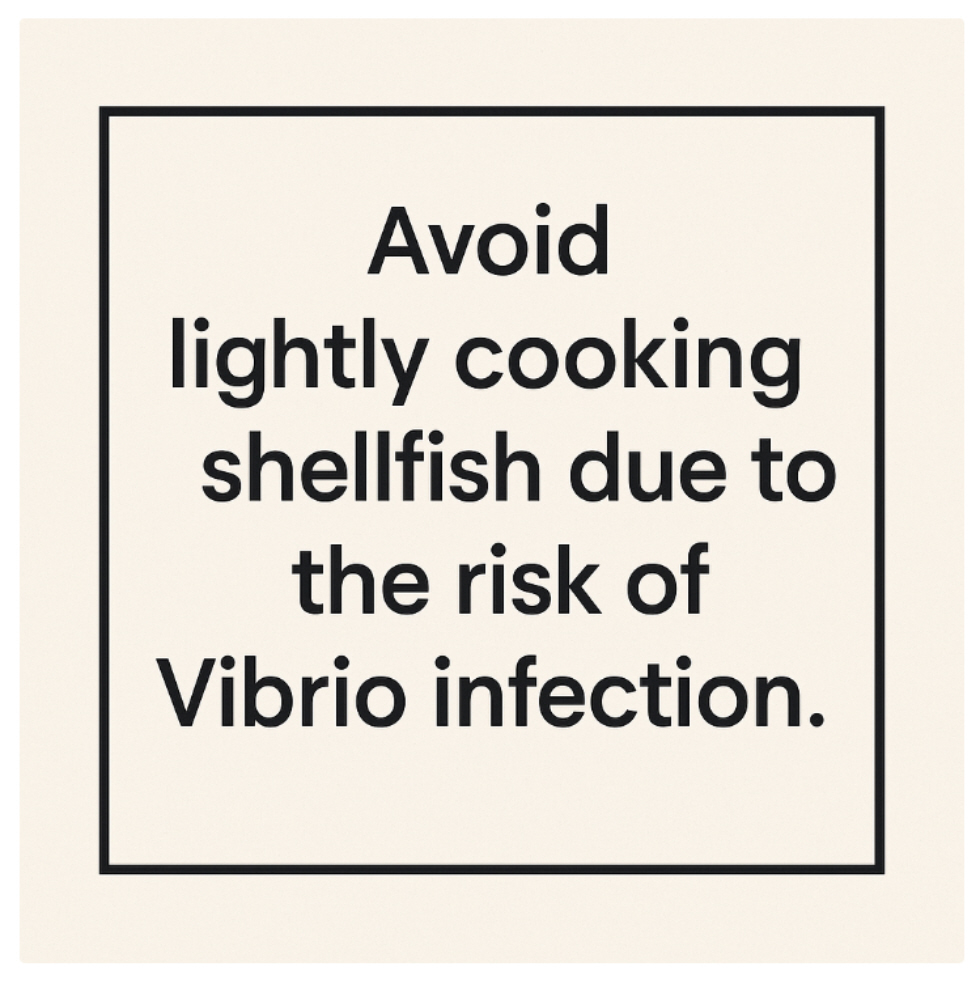
This bacterium, which naturally occurs in coastal and brackish waters, multiplies rapidly in hot and humid conditions, increasing risks during the summer months. The Centers for Disease Control and Prevention (CDC) have warned that Vibrio vulnificus infections can progress quickly, causing severe soft tissue damage, high fever, and, in extreme cases, sepsis. When the bacteria enter the body through wounds—even minor cuts or scratches—the danger increases significantly. Likewise, eating raw or undercooked shellfish, especially oysters, can lead to severe gastrointestinal infections.
Although the overall incidence of such infections is relatively low compared to other waterborne diseases, the fatality rate is high, particularly among people with weakened immune systems, liver problems, or preexisting health conditions. For this reason, Louisiana health authorities have stressed the need for stronger prevention measures. They recommend avoiding swimming in coastal waters if you have open wounds, covering cuts or scrapes with waterproof bandages, and ensuring that seafood is thoroughly cooked before consumption.
Specialists also highlight the importance of seeking immediate medical care if symptoms such as redness, swelling, fever, blisters, or intense pain appear after contact with seawater or after eating raw shellfish. Early detection and treatment with antibiotics can make the difference between recovery and a fatal outcome. The situation in Louisiana has raised alarms in other Gulf Coast states, where Vibrio vulnificus is common during warm weather seasons.
Experts emphasize that this is not a reason for panic, but rather a reminder of the need for safe hygiene and food practices. While the “flesh-eating bacteria” is dangerous, its risks can be greatly reduced with proper prevention and timely medical attention.