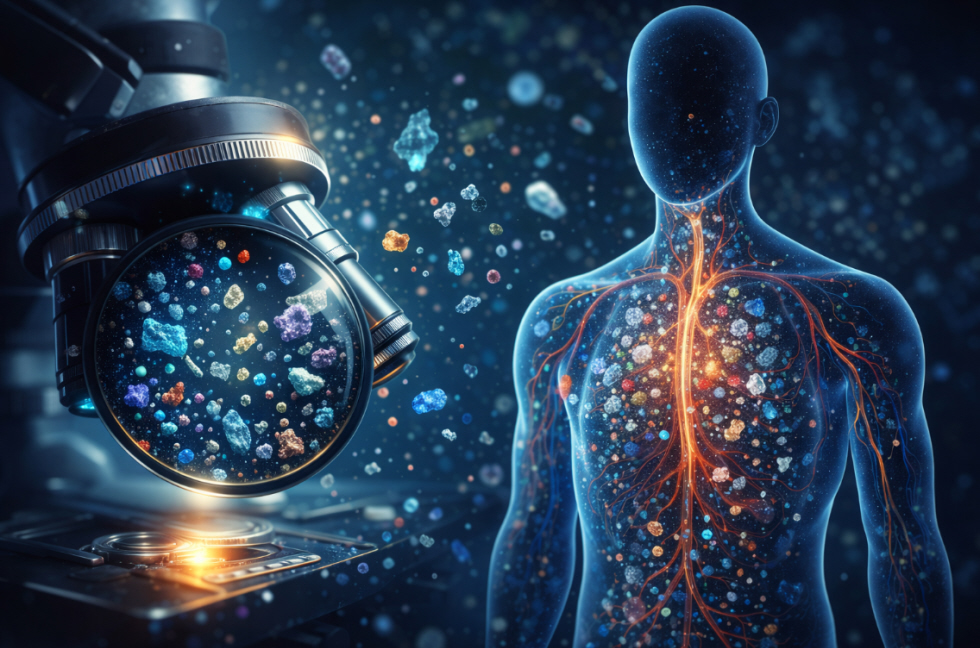
In recent years, microplastics have mainly been viewed as an environmental problem affecting oceans, rivers and soil. However, new scientific research is revealing a more troubling reality: these tiny plastic particles are now being detected inside the human body. Microplastics are extremely small fragments created when plastic products break down over time.
Because of their microscopic size, they can easily mix with the air we breathe, the water we drink and the food we consume every day. Scientific studies have identified the presence of microplastics in human blood, lungs and even certain body tissues. This discovery has raised growing concern among researchers who are trying to understand how these particles enter the human body and what effects they may have over time. One of the most common pathways of exposure is through food and beverages.
Microplastics have been detected in drinking water, seafood, sea salt and other products that are part of the daily diet in many regions around the world. Air can also serve as a pathway for exposure. Tiny plastic particles can circulate in the atmosphere and be inhaled, particularly in urban environments where synthetic materials are widely used. Although the presence of microplastics in the human body has been confirmed, scientists are still studying the possible health consequences.
Some research suggests that these particles could trigger inflammatory reactions or interfere with certain biological processes. There is also concern about the chemical compounds associated with plastic materials. Many plastics contain additives used during manufacturing that could potentially affect hormonal or metabolic systems once they enter the body.
The discovery has encouraged new scientific investigations worldwide. Researchers are developing advanced techniques to detect microplastics and better understand how they interact with human cells and tissues. At the same time, the findings have intensified the debate about the widespread use of plastic in modern life. Packaging, synthetic textiles and disposable materials are part of everyday consumption and contribute to the growing accumulation of plastic waste.
As research continues, awareness is increasing about the need to reduce plastic pollution globally. Understanding how microplastics affect the human body may become one of the major public health and environmental research priorities in the coming years.