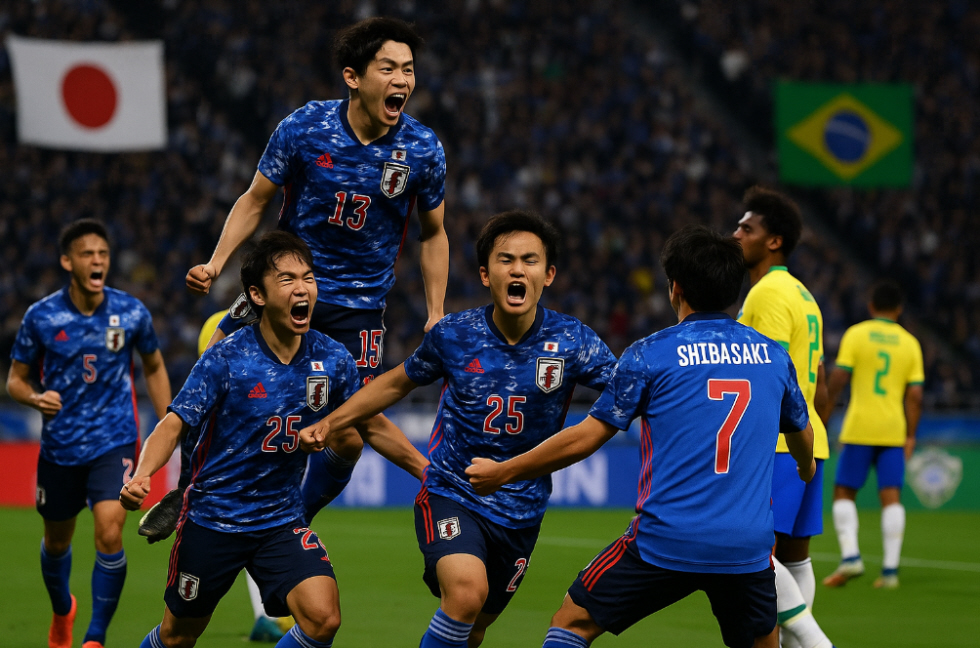
Brazil lost 3–2 to Japan after leading by two. It’s not just the scoreline: it’s the first-ever defeat to this opponent, and it arrives while the project toward 2026 is still taking shape. The blow hurts for what it symbolizes and for what it says about the present. The first half was under control. Longer spells of possession, clean circulation, fullbacks pushing high, and good spacing between lines. Brazil managed the tempo and found advantages inside and out—enough to open a gap and steer the match.
The script flipped after halftime. Japan raised the press, tightened marking, and forced build-up losses. Brazil began defending on the back foot: a stretched midfield, exposed center-backs, and second balls poorly handled. The 2–1 cracked composure; the equalizer came from an unfortunate action; the 3–2 landed with the team still dazed. Tactics and emotion blended. Brazil lacked game-state management: slow the tempo when needed, hide the ball, draw fouls to breathe and reset.
There was also neglect of the weak side (the far flank left unprotected) and loose set-piece defending. This isn’t about talent; it’s about structure and craft. In the build-up, there was needless risk with the opponent pressing high. In transition, the three-second counter-press never bit to choke Japan’s first pass. In the box, there wasn’t enough aggression to clear cleanly. Small details, added up, flipped the storyline. The roadmap to the World Cup is clear.
Automations: cover the far fullback, stagger the double pivot, keep short distances between lines, and define sharp pressing triggers. Game craft: read momentum swings, choose when to accelerate and when to put the game to sleep, and close the final twenty minutes with a cool head. The bench matters, too. Substitutions must sustain the structure, not unravel it.
If you refresh the front line, you shield the midfield. If you protect a lead, the first outlet must be safe and to feet—not a blind clearance that gifts second balls. This window is a mirror. Brazil showed stretches of high-level football and, at the same time, a fragility that the scoreboard punishes.
If the goal is to be world champions again in 2026, nights like Tokyo must become a lesson learned: fewer concessions, more edge, and a team that knows how to win when football turns uncomfortable.
 Boston Celtics
 Denver Nuggets
 Milwaukee Bucks
 Phoenix Suns
 Golden State Warriors
 Los Angeles Lakers
 Miami Heat
 Dallas Mavericks