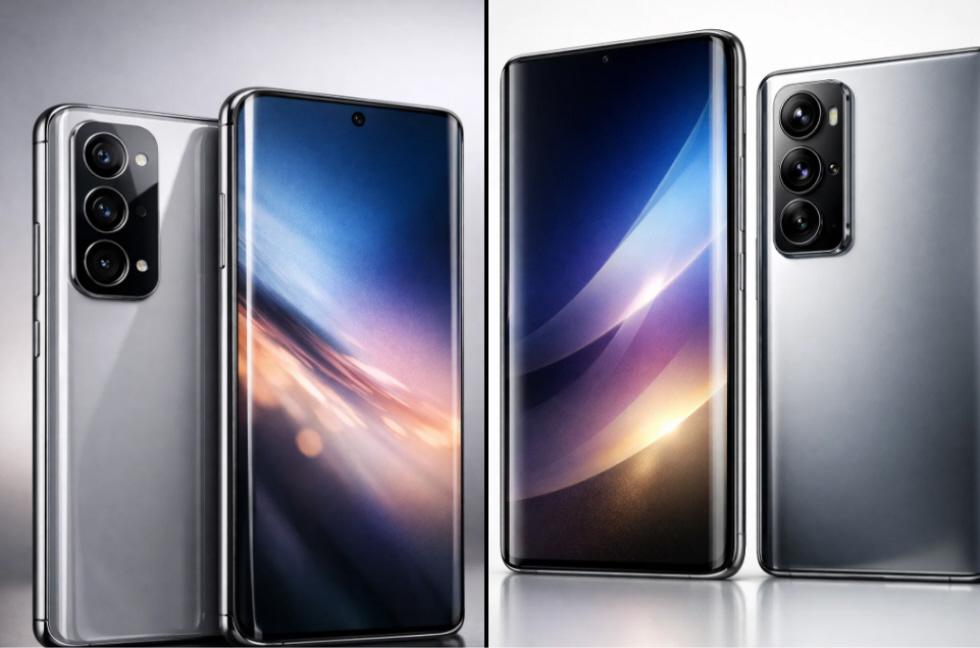
Samsung has officially unveiled the Galaxy S26 series, introducing the next generation of its flagship smartphones. The South Korean tech giant is placing a stronger emphasis on artificial intelligence integration and advanced camera capabilities as key pillars of this release. The new lineup includes three initial models: the Galaxy S26, S26+, and S26 Ultra.
Each device targets a different segment within the premium smartphone market while maintaining the design language that has defined the Galaxy S family in recent years. A major highlight of the launch is the evolution of the camera system. Samsung has enhanced both hardware components and image processing software, aiming to deliver sharper night photography, improved portrait performance, and more refined video capabilities powered by intelligent algorithms.
Artificial intelligence plays a central role across the new devices. From automatic photo editing and real-time transcription to translation tools and adaptive performance optimization, the system is designed to create a more intuitive and responsive user experience. The Galaxy S26 Ultra stands out as the most advanced model in the lineup, featuring upgraded sensors, enhanced zoom capabilities, and increased processing power.
It is positioned for users who demand professional-grade photography and high-performance multitasking. Meanwhile, the S26 and S26+ maintain flagship-level performance with balanced configurations in display size, battery life, and overall functionality, offering premium alternatives without stepping into the Ultra category.
In addition to the smartphones, Samsung introduced new Galaxy Buds, reinforcing its broader ecosystem strategy that connects mobile devices, wearables, and audio products into a unified experience. With the Galaxy S26 series, Samsung signals a continued shift toward AI-driven differentiation in a highly competitive market, where software intelligence and ecosystem integration increasingly define the future of flagship smartphones.