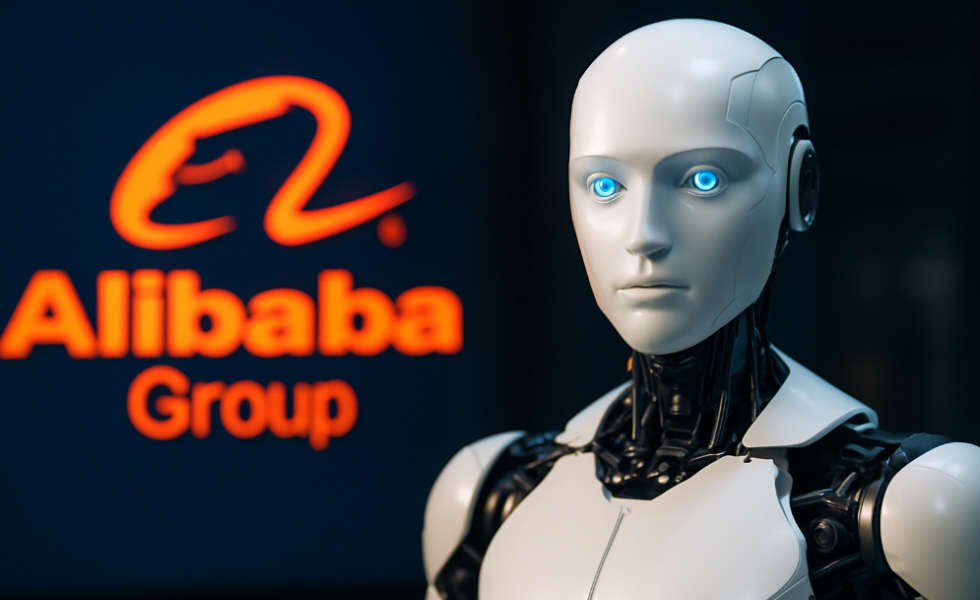
In a bold move that positions China as a leading player in the global AI race, Alibaba has unveiled a powerful new generative artificial intelligence model capable of producing highly realistic images, video, and even full articles. The announcement was made during the company’s annual technology summit, where top engineers and executives showcased the cutting-edge capabilities of the new system, which rivals offerings from major Western tech giants like OpenAI and Google.
Alibaba's new AI engine, internally dubbed "Tongyi Shentu", integrates deep learning and natural language processing to deliver seamless multimedia generation. The platform has already been integrated into several Alibaba services, including e-commerce listings, virtual customer service avatars, and smart logistics systems. In live demonstrations, the model effortlessly generated detailed artwork, answered complex questions, and even composed music scores based on text prompts.
According to company officials, Tongyi Shentu is built on a multimodal foundation that allows it to interpret and produce images, text, and sound in a synchronized manner. “We are not just creating tools,” said Dr. Zhang Yong, head of Alibaba Cloud Intelligence. “We are building an entire creative ecosystem that empowers individuals, startups, and enterprises to bring ideas to life instantly and at scale.”
While praised for its innovation, the launch has also sparked concern among global regulators and digital rights groups, especially around issues like deepfakes, misinformation, and intellectual property. Alibaba has promised to implement strict ethical guidelines and watermarks for AI-generated content, though skeptics remain cautious. Industry analysts view this as a direct challenge to American dominance in AI, as Alibaba becomes the first Chinese tech company to match, and in some aspects surpass, the generative capabilities of firms like Meta and Microsoft.
The model’s performance in languages beyond Mandarin — including English, Spanish, and Arabic — adds to its potential for global adoption. With China’s government supporting strategic investments in next-gen tech, and Alibaba seeking to reassert its leadership in innovation after recent regulatory crackdowns, Tongyi Shentu could mark a turning point.
The company is already in talks to license its AI model to international partners and software developers, aiming to embed it in creative tools, educational platforms, and smart city applications. As the generative AI landscape continues to evolve, one thing is certain: Alibaba is no longer just following the trail — it’s blazing its own.