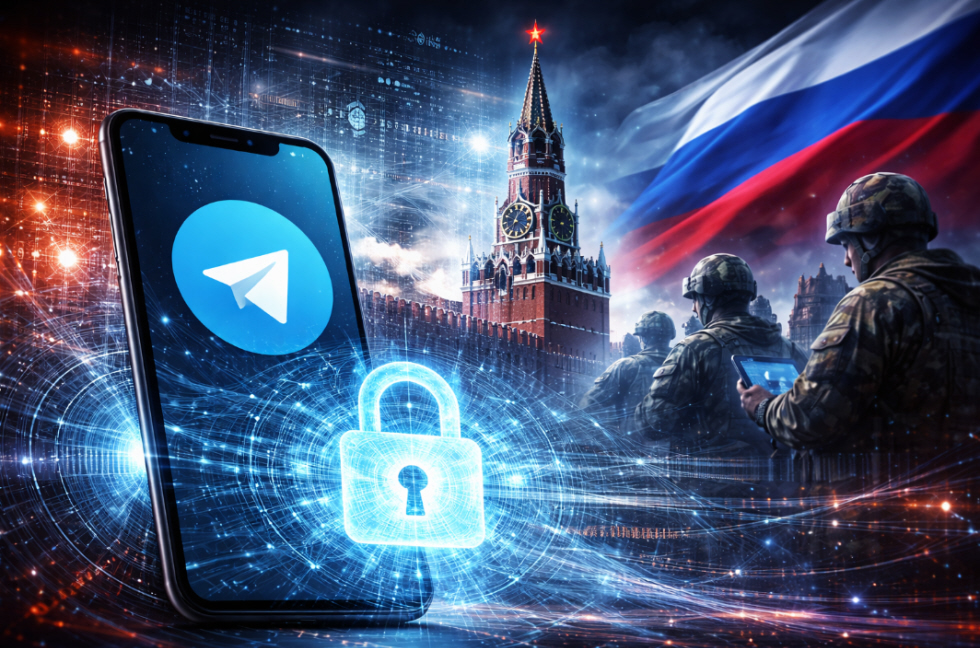
The messaging platform Telegram has stated that its encryption remains intact, directly contradicting recent remarks from Russian officials suggesting possible security breaches. The company publicly defended the technical integrity of its infrastructure and rejected any claims that its encryption has been compromised. The dispute comes amid growing tension between the Russian government and several digital platforms widely used by both civilians and military personnel involved in the conflict in Ukraine.
Telegram has become a central communication tool for information sharing across multiple sectors. Russian authorities have suggested that foreign intelligence services may be exploiting messaging applications to monitor sensitive communications. However, no publicly available technical evidence has been presented to confirm that Telegram’s encryption system has been breached. Telegram maintains that the allegations are unfounded and that its security protocols continue to function as designed. The company reiterated that it has detected no structural vulnerabilities affecting its encryption framework.
At the same time, Russia’s media regulator has indicated it may slow down access to Telegram, citing alleged violations of national content laws. The measure reflects a broader pattern of regulatory pressure targeting technology companies operating within the country. The Russian government recently confirmed the complete blocking of WhatsApp, a messaging service owned by a U.S.-based company, for failing to comply with domestic regulations. In its place, authorities have promoted a state-sponsored messaging application.
Critics argue that government-backed platforms could allow greater oversight of user communications, although officials reject such claims and frame the shift as necessary to safeguard national security. Regarding Telegram specifically, access for Russian troops has not been immediately restricted. Officials have indicated that any transition to alternative communication systems would require time to ensure operational continuity.
The episode highlights an intensifying effort to assert digital sovereignty in Russia, where information control has become increasingly central amid geopolitical confrontation and Western sanctions. Beyond the immediate dispute, the situation underscores how messaging platforms have become strategic assets in modern conflict, where data security, state regulation, and digital freedoms intersect in an environment of heightened geopolitical tension.