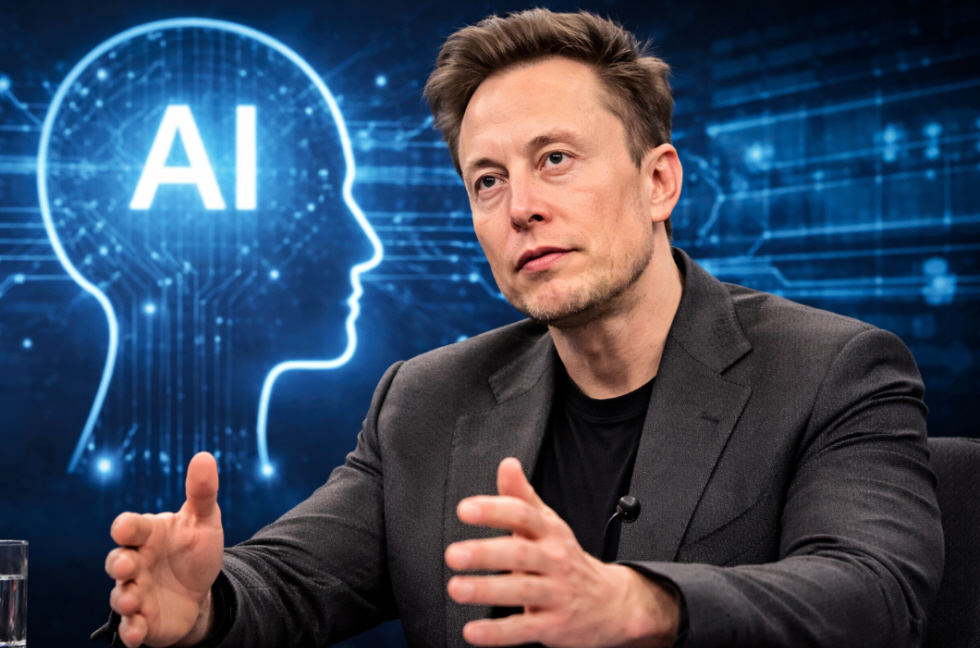
Elon Musk publicly called for his artificial intelligence chatbot, Grok, to be governed by a “moral constitution” following a week of controversy that led to the app being restricted or banned in several countries. His statement has reignited the global debate over ethical boundaries and accountability in artificial intelligence. The remark came amid growing scrutiny of new features introduced to the system, particularly tools that allow users to edit images through text prompts.
While these capabilities were initially presented as creative functions, concerns quickly emerged over how they were being used. Observers raised alarms about the potential misuse of such technology without the consent of individuals depicted in personal images. The situation highlighted the broader challenge of balancing rapid technological innovation with the protection of individual rights and dignity.
Although Musk did not specify the exact incidents behind his call, the notion of a “moral constitution” suggests an effort to establish clearer principles governing the system’s behavior. The idea points toward embedding ethical guidelines directly into the operation of artificial intelligence tools. The Grok controversy reflects a wider issue facing the entire generative AI industry.
As these technologies become more powerful and accessible, the risk of unintended or harmful applications grows beyond the original control of developers. Technology and digital ethics experts have increasingly argued that technical progress must be matched with robust regulatory frameworks and internal safeguards. Without such measures, public trust in artificial intelligence could be significantly undermined.
International reactions, including restrictions imposed by some governments, show that authorities are paying closer attention to the social consequences of AI deployment. Regulation of artificial intelligence is now emerging as a central topic in global policy discussions. Musk’s call, beyond the immediate controversy, underscores a fundamental reality: artificial intelligence can no longer be developed solely around efficiency and innovation. Questions of values, ethics, and responsibility are becoming central to a technology that is increasingly shaping everyday life.