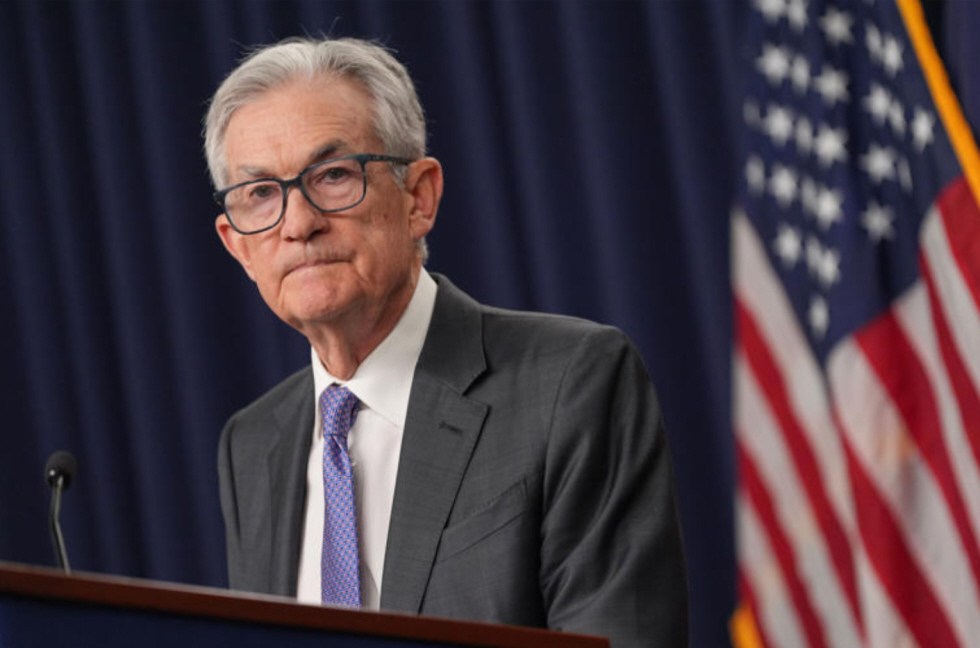
The Federal Reserve decided on Wednesday to keep interest rates unchanged at its first meeting of the year, opting for a widely anticipated pause. The decision reflects growing confidence among policymakers that economic risks are easing after a prolonged period of monetary tightening and adjustment. The central bank arrives at this moment after cutting rates three times toward the end of 2025.
Those moves were designed to cushion a slowing labor market and prevent a sharper economic downturn, at a time when growth was moderating and inflationary pressures remained a concern. Now, with inflation showing more consistent signs of cooling and no clear evidence of widespread economic distress, officials believe there is no urgency to take further immediate action. The current pause is intended to give policymakers time to assess incoming data before making additional decisions.
One of the key factors guiding the Fed’s outlook is the labor market. While job creation has slowed, employment conditions remain relatively stable, with unemployment levels still low and no significant wave of layoffs emerging across the broader economy. From the central bank’s perspective, this combination of slower hiring and overall stability allows for a wait-and-see approach. Policymakers are focused on ensuring that the labor market slowdown does not evolve into a deeper contraction that could weigh heavily on consumer spending and business investment. Inflation remains at the center of the Fed’s attention.
Recent data suggest a downward trend, but officials continue to stress the importance of confirming that this progress is durable and not driven by temporary factors that could reverse. By holding rates steady, the Fed is also seeking to avoid sending mixed signals to financial markets. Moving too quickly in either direction could reignite volatility or create expectations that might prove difficult to manage later on. The decision underscores a broader shift toward a more gradual, data-dependent monetary policy.
Rather than reacting automatically, the central bank appears willing to tolerate modest economic cooling while it evaluates whether the balance between inflation and growth remains intact. For investors, businesses, and consumers, the pause offers short-term relief and greater predictability. However, it does not signal the end of policy adjustments, but rather a monitoring phase in which each new economic indicator will carry increased weight.
Looking ahead, the Federal Reserve’s message is clear: there is no rush, but there is no complacency either. The path forward will be shaped by developments in inflation, employment, and growth, as caution becomes the guiding principle of monetary policy.