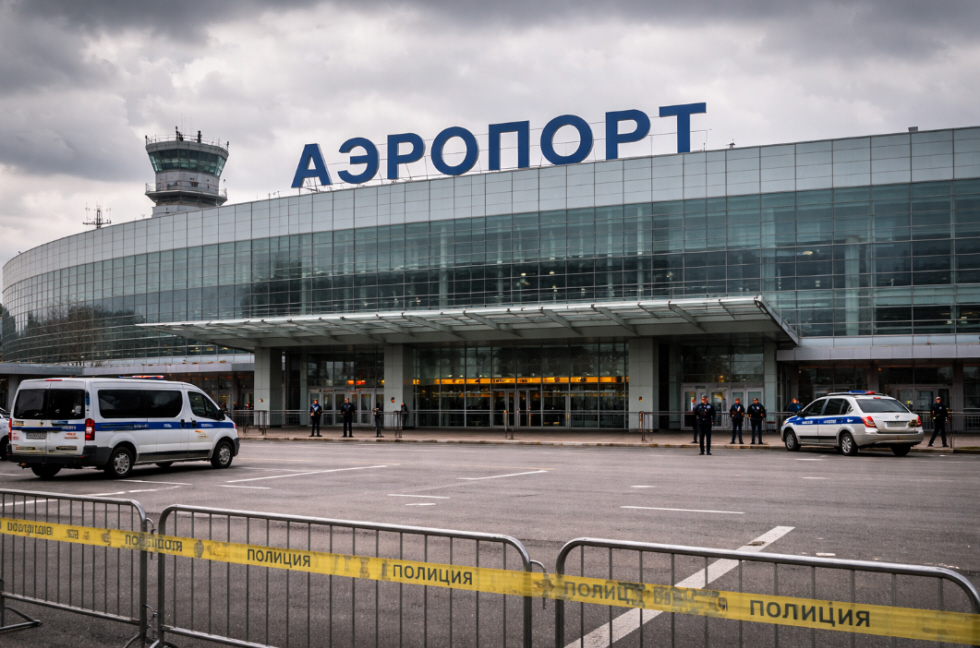
The Russian government is facing growing difficulties in selling confiscated assets, as international sanctions, investor distrust, and a war-driven economy continue to weigh on the country. One recent example is the Kremlin’s attempt to auction off a previously seized airport, a move that has so far failed to attract any buyers. Since the start of the war in Ukraine, Moscow has significantly expanded the seizure of companies, infrastructure, and properties deemed “strategic” or linked to foreign ownership.
In 2025 alone, asset confiscations reached record levels, often justified on national security grounds or through legal disputes. The airport now being offered for sale is part of that broader campaign. After taking control of the asset, the Russian state is seeking to convert it into cash to support public finances strained by rising military expenditures and the overall cost of the war. The lack of interest, however, highlights deeper structural problems. Analysts point out that both domestic and foreign investors are increasingly reluctant to commit capital in Russia.
The risk of further expropriations, direct state intervention, and legal uncertainty has severely undermined confidence in the market. Western sanctions have compounded these challenges by restricting access to financing, technology, and international partners. Even Russian business owners are cautious about acquiring assets that could be taken over by the state again with little warning. The failed auction attempt illustrates a broader shift in Russia’s economic landscape. Assets that would once have been considered valuable are now widely viewed as liabilities, given the political environment and the absence of clear legal safeguards.
The Kremlin has not disclosed whether it plans to revise its privatization strategy or lower the asking price for the airport. Officials continue to argue that asset seizures are carried out in the national interest and are necessary to maintain economic stability. For now, the episode underscores the limits of Russia’s current economic model. The difficulty in turning confiscated assets into real revenue suggests that prolonged war, expanding state control, and international isolation are steadily eroding the appeal of Russia’s private sector.