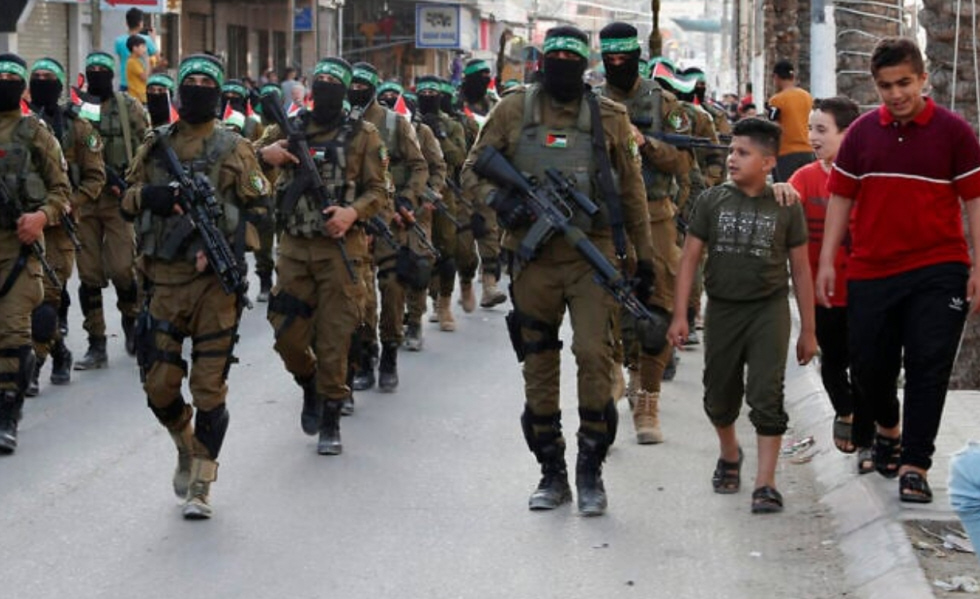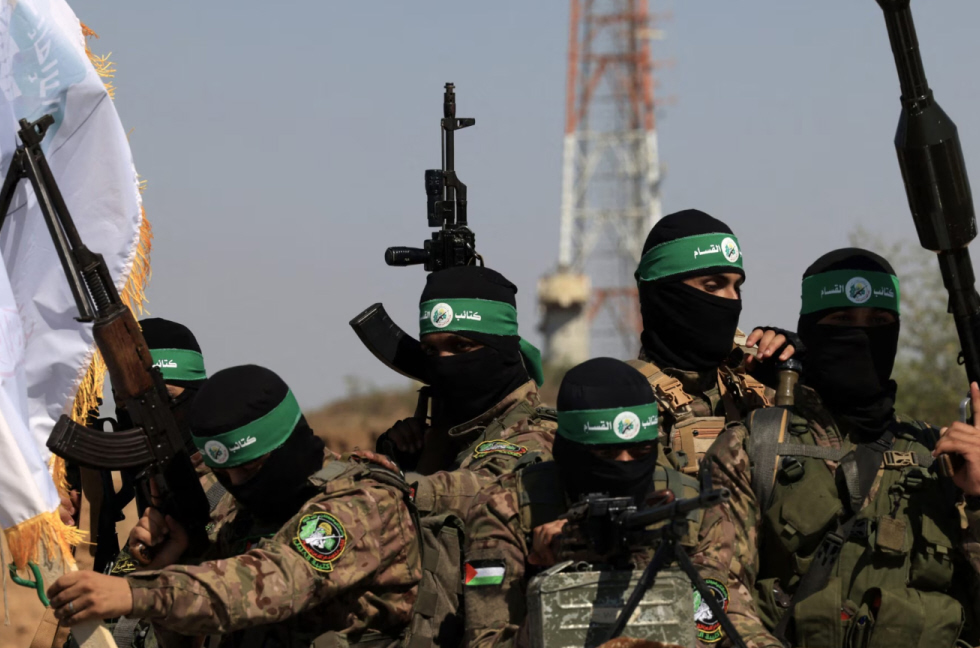
As the Israeli military continues its controversial ground offensive in Gaza City with unabated intensity, the Palestinian Islamist group Hamas has issued new threats against Israeli forces and signaled its intention to intensify armed resistance. “Thousands of ambushes are being prepared. Gaza will be a graveyard for their soldiers,” declared the group’s military wing, the Qassam Brigades, in a statement released on Thursday. According to the same source, the remaining Israeli hostages have been dispersed and moved to various neighborhoods across the city as a protective measure in response to the advancing Israeli troops.
Hamas warned that the continuation and expansion of Israel’s offensive in Gaza City “means none of the captives will return to Israel,” and stated it would not consider their safety in the course of military operations. The group accused Israeli Prime Minister Benjamin Netanyahu of “wanting to kill” the hostages and compared their potential fate to that of Israeli navigator Ron Arad, who disappeared after being captured in Lebanon in 1986. Arad’s wife recently published an open letter reminding Israeli decision-makers that a living prisoner can “simply vanish from the world,” criticizing the government for launching a large-scale operation in Gaza despite knowing the risks. Israeli authorities estimate that 48 hostages remain in the Gaza Strip, of whom only about 20 are believed to be alive.
The others are thought to have died in captivity, and their remains may soon be returned. This has fueled growing anguish among families of the captives, who accuse Netanyahu’s government of endangering those still alive by pressing ahead with the offensive. Israeli media reported days ago that Hamas had moved the hostages out of underground tunnels and placed them in homes and tents to deter Israeli airstrikes in certain areas. Israel’s ground operation in Gaza, which began Tuesday night, has the stated objective of “dismantling Hamas’ military structure and securing the release of the remaining hostages.
” However, families of the captives warn that this advance could lead to their deaths and allow Hamas to use them as human shields. “We fear our loved ones are being sacrificed,” a spokesperson for the families said at a press briefing in Tel Aviv. Meanwhile, international diplomatic pressure on Israel is mounting. Several countries are expected to push for formal recognition of a Palestinian state during next week’s UN General Assembly session. On Wednesday, the European Commission proposed sanctions against two Israeli ministers, extremist settlers, and Hamas itself in an effort to pressure all sides to de-escalate the conflict.
At the UN Security Council on Thursday, only the United States’ veto blocked a resolution aimed at alleviating the humanitarian crisis in Gaza. The draft resolution expressed “deep concern about famine in Gaza” and called on Israel to “immediately and unconditionally lift all restrictions on the entry of humanitarian aid.” International analysts warn that the combination of ongoing military operations, hostage threats, and growing diplomatic isolation is pushing the conflict into one of its most critical phases since it began, with a high risk of escalation and unpredictable consequences for regional stability.