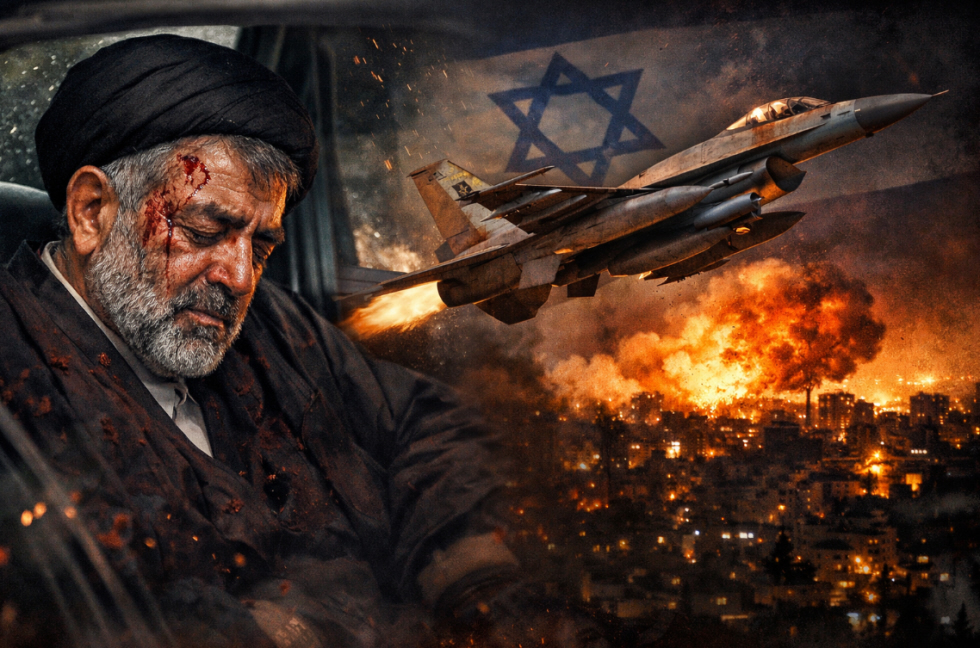
The Middle East conflict has entered a new phase of heightened tension following the confirmed killing of a senior Iranian official in a precision strike. On Wednesday night, Esmaeil Khatib, Iran’s intelligence chief, was killed in an operation attributed to the Israeli Air Force, marking a significant escalation in the ongoing shadow confrontation between the two nations. The strike, described as highly targeted, focused directly on one of the most powerful figures within Iran’s security structure.
Israeli Defense Minister Israel Katz stated that the operation was executed with surgical precision, reinforcing Israel’s strategy of neutralizing high-value targets within Iran’s leadership network. Hours after the incident, Iranian President Massoud Pezeshkian publicly confirmed Khatib’s death, underscoring the seriousness of the attack and its impact on the core of Iran’s intelligence apparatus.
The confirmation eliminated any ambiguity and highlighted the scale of the loss for Tehran. Khatib’s assassination represents a major blow to Iran’s intelligence operations at a time when the region is already experiencing rising instability. As the head of the intelligence service, he played a critical role in both domestic security coordination and external strategic operations. This type of targeted strike reflects an evolving pattern in the conflict, where key individuals—not just infrastructure—are becoming primary objectives. The strategy appears aimed at weakening Iran’s operational capabilities and disrupting its command structure.
The operation also sends a strong signal regarding Israel’s intelligence reach, demonstrating its ability to penetrate highly secured environments deep within Iranian territory. This raises serious concerns about internal security vulnerabilities within Iran’s system. Analysts warn that the killing could trigger further retaliation, increasing the risk of a direct confrontation between the two countries. Iran has repeatedly stated that it will respond decisively to attacks against its senior officials.
The current situation points toward an intensification of covert operations, with potentially unpredictable consequences for regional stability. Each targeted strike adds pressure and narrows the space for diplomatic solutions. International reactions have so far been cautious, as global powers closely monitor developments.
The possibility of broader escalation remains a significant concern across diplomatic and security circles. For now, the killing of Esmaeil Khatib adds to a growing list of high-profile targets eliminated in recent months, reinforcing a dangerous cycle of confrontation that shows little sign of slowing down.